

Clearing the Path

You Never Really Know Your Mother — or Your Daughter
Four generations of mothers and daughters taught me you never fully know the people you love most — on secrets, letting go, and loving across the gap.

From an RTC to The Frick: Repairing Our Relationship After Residential Treatment
I sent my son to residential treatment at 11. Years later, we walked The Frick together. For any parent in the hardest part: you have not lost your child.

When 'Won't' Is Really 'Can't': Rethinking PDA in Kids
A therapeutic consultant explains why kids with ADHD and autism get labeled with PDA, why lowering demands backfires, and how to tell can't from avoidance.

When Your Child Refuses The Help They Need
Why do some teens and young adults refuse help for addiction or mental illness? Honest guidance on denial, rock bottom, and what parents can control.

What I Wish I'd Known About THC and the Teenage Brain
A mother and educational consultant on high-potency THC, the teenage brain, and psychosis risk, and the research I wish I'd had when my son was using.

Daily Practices to Reduce Screen Time and Build Family Presence
How to reduce screen time and bring daily presence into family life. Practices include shinrin-yoku, technology boundaries, and daily ritual.
reducing screen time, family screen time, phone boundaries for children, shinrin-yoku, forest bathing for families, presence practices, family mindfulness, daily rituals, nature-based wellness, parenting and technology, adolescents and phones

Cracked Open
When your child refuses to fit the mold, it can feel like failure. It might be the most important invitation you'll ever receive. On embracing your child for who they are — and what it asks of you.

Holding Families in the Grey
When there is no right answer, families don't need more information. They need someone to hold them in their grief and sorrow. On what that kind of support actually requires.

Raising Kids in the Age of AI
AI can tell you to use cold air for croup at 2am. What it can't do is sit with you when your teenager is falling apart and you need to stay present. On the limits of AI in parenting — and what no tool can replace.

The Questions AI Gets Right — And the Ones It Can't Touch
When a therapeutic program placement fails, the child rarely thinks the program was wrong. He thinks he failed. Again. On the real cost of the wrong fit — and what it takes to get it right.

What the Algorithm Can't See
AI can search. It can synthesize. But there are things about therapeutic program placement it cannot know — not because the information hasn't been written yet, but because it can't be. A therapeutic educational consultant explains why.

When Your Kid Struggles With Mental Health: Widen Their Circle of Helping Adults
When neurodivergent, ADHD, autistic, anxious, or depressed teens and failure‑to‑launch young adults need more than parents can give, widening the circle of caring adults becomes an act of love, not failure.

"Your Children Are Not Your Children": Why Your Neurodivergent Kid Is Not a Problem to Fix
Parents of neurodivergent kids don’t need another ‘fix your child’ lecture, they need a new story. This post weaves Gibran, Temple Grandin, and three generations of ‘different’ in my family to show how letting go of rigid expectations, embracing alternative paths, and explicitly teaching life and work skills (including through volunteering) can help autistic and ADHD teens build meaningful, AI‑resilient futures where their strengths are the point, not the problem.
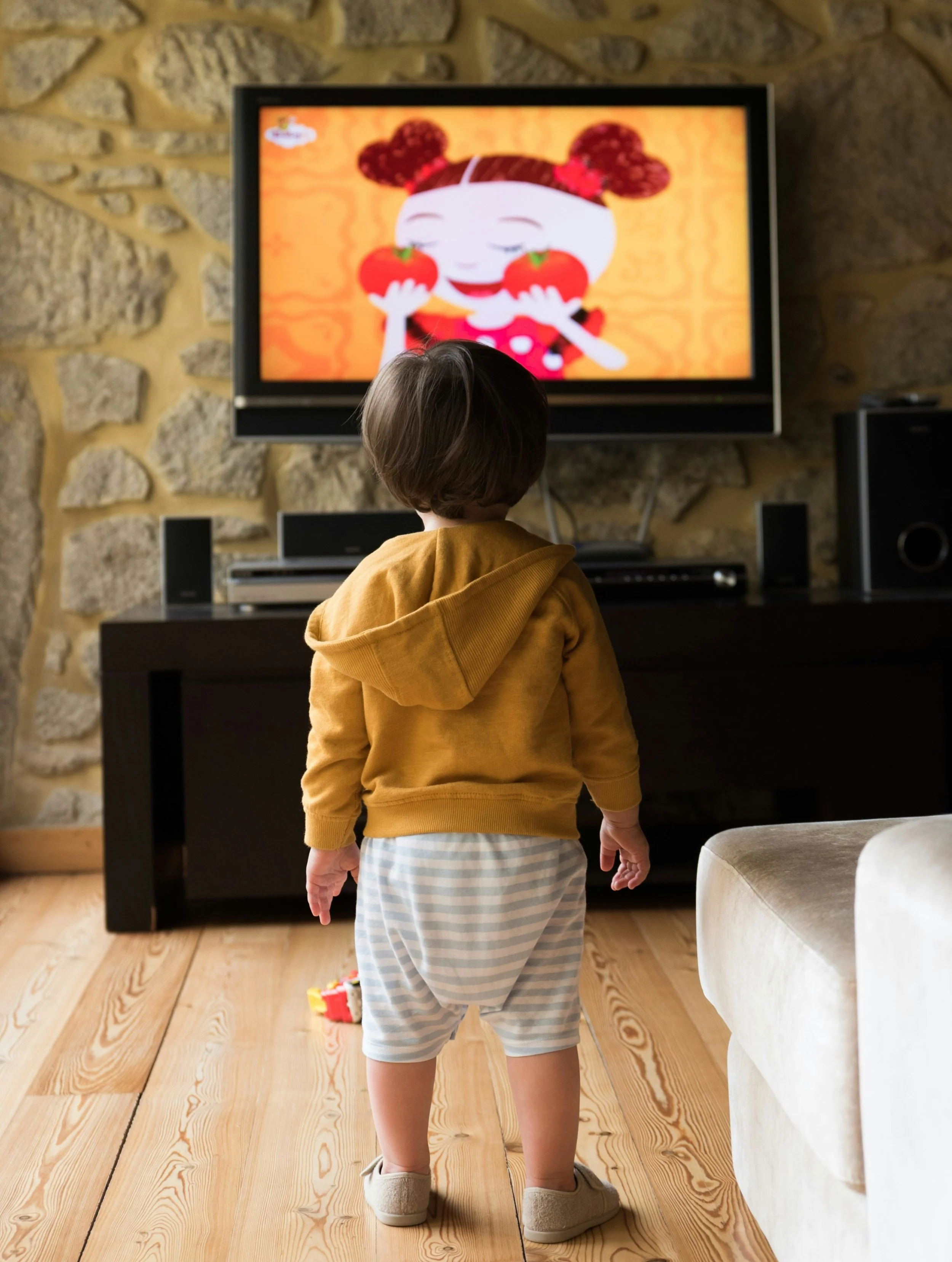
ADHD, Autism, and Addiction: How Screens, Gaming, and THC Hook Neurodivergent Teens
This blog explains how modern screens, gaming, substances, and online gambling uniquely affect neurodivergent teens with ADHD and autism, why these behaviors are often survival strategies rather than “bad choices,” and practical steps parents can take when outpatient care is not enough.

Online Gambling: A New Risk for Teens, and How the Right Therapy Can Help
Learn why online gambling is rising among teens and young adults, why neurodivergent kids are especially vulnerable, and how targeted therapy and support can help.

Reflections on Gratitude as 2025 Ends!
As 2025 ends, we reflect on the practice of gratitude and all that we’ve been grateful for in this past year.
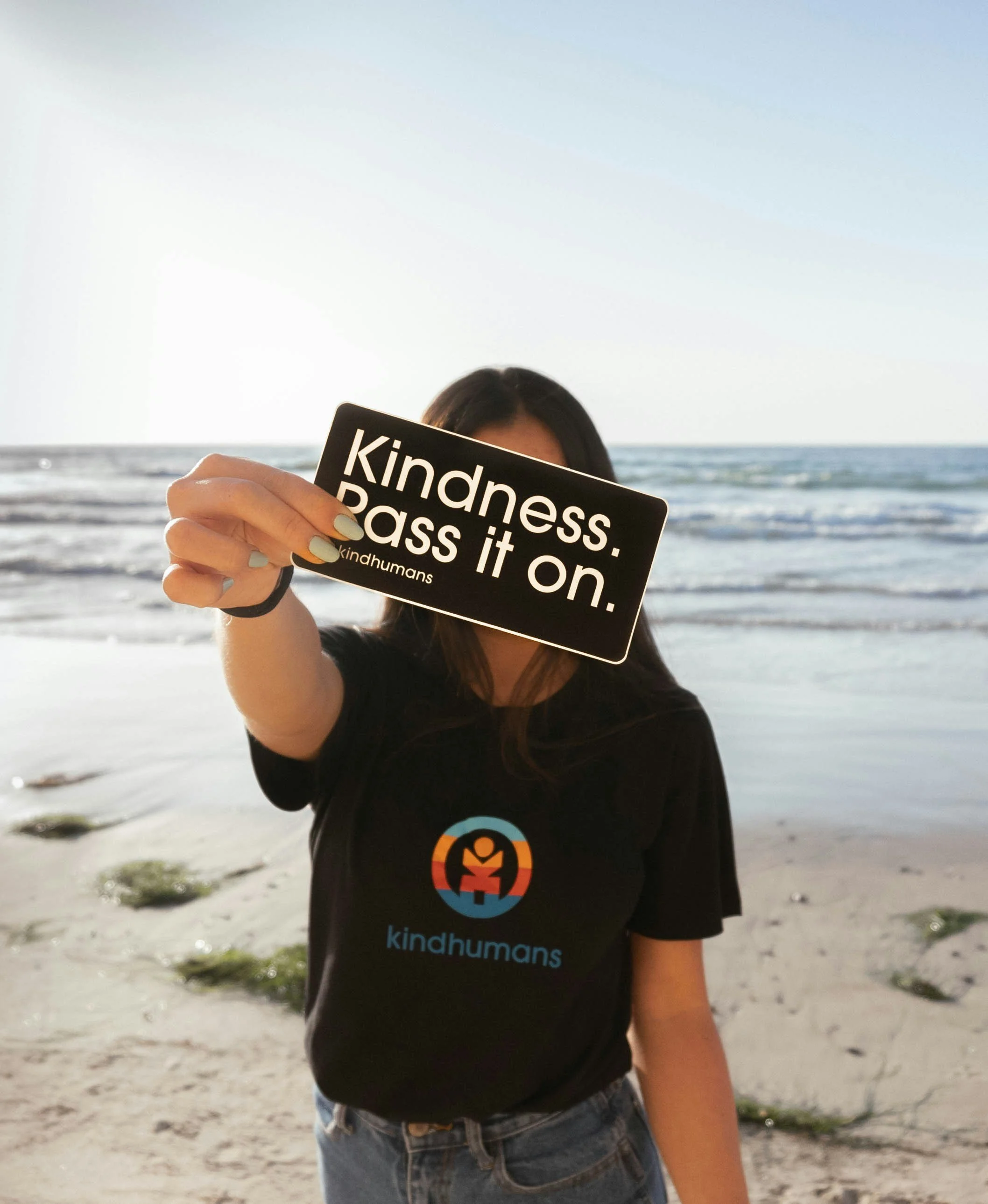
Spread Kindness this holiday season: It’s a Protective Factor for You and Your Kid
This holiday season, consider giving your children something more lasting than another toy or gadget … the gift of kindness as a practice, a skill, a way of moving through the world. Acts of kindness are contagious, impacting the giver, the receiver, and the observer, and will improve your mental and physical health, too.

The Gift of Disappointment: Building Resilience in Our Children During the Holidays and Beyond
When we rush to relieve our children's discomfort, we rob them of building distress tolerance. They don't learn that uncomfortable feelings pass, that they can survive not getting what they want.
As a parent, you can hold the discomfort with your child, stay present and manage your anxiety when they are upset. By doing this, you convey that you believe your child is strong enough to learn how to tolerate not getting what they want.

When your child can’t be home for the holidays …
For parents whose child is in residential treatment, wilderness, or a hospital, the holiday season feels very different. Instead of joy, there's often a heavy mix of grief, guilt, and quiet relief that your child is somewhere safe, even if that "somewhere" is far from home.

In the Mountains of Tennessee, I reflected on The Simple Gifts
Wishing you small gifts of simplicity this week — the kind that make the season feel more spacious, more grounded, more human. And if you need to step outside for a breath (or an entire Tennessee-style tech hiatus), consider this your invitation.